
The Short Answer
Diversity and inclusion in product management means building representative teams and inclusive products, yet women hold only ~35–40% of PM roles and underrepresented minorities about ~15–20%.
Diverse PM teams catch blind spots, make better decisions, and build products that serve diverse users—yet women hold only ~35–40% of PM roles and under 25% of leadership, while underrepresented minorities hold roughly 15–20%. Closing these gaps takes inclusive hiring, retention, and product practices, not just diversity training.
Key Takeaways
| Detail | At a Glance | Notes |
|---|---|---|
| Women in PM | ~35–40% | Under 25% of VP/CPO leadership roles |
| URM in PM | ~15–20% | Varies by company and region |
| Why it matters | Better products & decisions | Diverse teams catch blind spots and outperform peers |
| Key levers | Inclusive hiring & retention | Structured interviews, sponsorship, equitable advancement |
| Best for | Leaders & IC PMs alike | Inclusive product design and culture are everyone’s job |
30%
Women in PM roles
↑ Growing
18%
Underrepresented minorities
↑ Growing
2.5x
More innovative (diverse teams)
Research-backed
35%
Better financial performance
McKinsey data
Inclusive Design
Build products that serve all users
Diverse Hiring
Structured interviews reduce bias
Ally Culture
Amplify underrepresented voices
The State of D&I in Product Management
Product management has made progress on diversity and inclusion, but significant gaps remain. Women represent about 35-40% of PMs but far fewer in leadership. Underrepresented minorities hold roughly 15-20% of PM roles, varying by company and region. The pipeline continues to improve, but retention and advancement challenges persist.
This matters beyond fairness: diverse teams build better products. When the people designing products do not reflect the users, products have blind spots. Companies with diverse leadership outperform their peers financially.
This guide examines representation challenges, explores strategies for building inclusive products and teams, and provides resources for underrepresented individuals navigating PM careers.
Current Representation Data
| Group | PM Overall | PM Leadership | Trend |
|---|---|---|---|
| Gender (Women in PM) | 35-40% | 20-25% | Slowly improving |
| Black/African American PMs | 5-7% | 3-5% | Slight improvement |
| Hispanic/Latino PMs | 6-8% | 4-6% | Slight improvement |
| LGBTQ+ PMs | ~5-8% | Data limited | Better at some companies |
| PMs with Disabilities | ~3-5% | Data limited | Growing awareness |
Note: Statistics are approximate industry estimates from various sources. Actual numbers vary significantly by company, region, and measurement methodology.
Why Diversity Matters for Product Teams
Better products
Diverse teams catch blind spots that homogeneous teams miss. Products built by diverse teams better serve diverse users.
Example: Google Photos initially failed to properly recognize Black faces—a diverse team would have caught this in development.
Stronger decisions
Research shows diverse teams make better decisions through constructive disagreement and varied perspectives.
Example: McKinsey research: companies in top quartile for diversity outperform peers by 25-35% in profitability.
Market understanding
Diverse PMs bring direct understanding of underserved markets and user segments.
Example: A PM from a low-income background may better understand payment flexibility needs than one without that experience.
Innovation
Diversity of thought and background drives more creative solutions and challenges conventional thinking.
Example: Teams with cognitive diversity solve problems faster and generate more innovative solutions.
Talent access
Inclusive companies access the full talent pool rather than limiting themselves to traditional sources.
Example: Companies known for inclusion attract top talent who prioritize culture in job selection.
Representation Challenges
Understanding the barriers is the first step to addressing them. These challenges exist at multiple levels: industry, company, and individual.
Pipeline issues
Fewer underrepresented individuals in feeder roles (engineering, consulting) and awareness of PM as career path.
Partial solutions:
Biased hiring
Unconscious bias in resume screening, interviews, and "culture fit" assessment disadvantages underrepresented candidates.
Partial solutions:
Retention issues
Underrepresented PMs leave at higher rates due to exclusion, limited advancement, and cultural friction.
Partial solutions:
Advancement barriers
Underrepresented PMs are often passed over for high-visibility projects and leadership opportunities.
Partial solutions:
Hostile environments
Microaggressions, exclusion, and outright discrimination drive talent away from companies and the field.
Partial solutions:
Building Inclusive Products
Every PM can contribute to D&I through how they build products. Inclusive products serve diverse users well, not just the majority or the easy cases.
Diverse user research
Actively recruit diverse participants for user research, not just convenient samples.
Actions to take:
- →Set diversity quotas for research recruitment
- →Partner with community organizations
- →Compensate participants fairly
- →Conduct research in multiple contexts
Accessibility by default
Build accessibility into products from the start, not as an afterthought.
Actions to take:
- →Follow WCAG guidelines
- →Include users with disabilities in testing
- →Make accessibility a launch requirement
- →Audit existing products for gaps
Inclusive language and imagery
Use language, imagery, and examples that include rather than exclude.
Actions to take:
- →Audit content for bias and exclusion
- →Use diverse representation in imagery
- →Avoid assumptions about users (gender, ability, etc.)
- →Support multiple languages and locales
Design for edge cases
Consider users at the margins, not just the mainstream majority.
Actions to take:
- →Ask "who might this not work for?"
- →Consider low-bandwidth, older device users
- →Design for varying technical literacy
- →Account for situational disabilities
Bias testing
Actively test products for unintended bias, especially in AI/ML features.
Actions to take:
- →Test with diverse data sets
- →Audit algorithms for disparate impact
- →Create feedback channels for bias reporting
- →Iterate based on community feedback
Inclusive Hiring Practices
For PM leaders and hiring managers, building diverse teams requires intentional practices at every stage of the hiring process.
Job descriptions
- ✓Use inclusive language (tools like Textio can help)
- ✓Avoid unnecessary requirements that screen out candidates
- ✓Emphasize growth potential, not just experience
- ✓Be transparent about compensation and level
Sourcing
- ✓Partner with diverse professional organizations
- ✓Post on platforms reaching underrepresented talent
- ✓Build relationships with HBCUs and HSIs
- ✓Leverage employee networks for referrals (with care about homogeneity)
Screening
- ✓Use blind resume review where possible
- ✓Standardize evaluation criteria before reviewing
- ✓Have diverse reviewers for each candidate
- ✓Question "culture fit" in favor of "culture add"
Interviewing
- ✓Use structured interviews with consistent questions
- ✓Train interviewers on bias recognition
- ✓Ensure diverse interview panels
- ✓Provide accommodations proactively
Decision making
- ✓Use scoring rubrics, not gut feelings
- ✓Discuss candidates based on criteria, not comparisons
- ✓Track and analyze hiring funnel demographics
- ✓Hold hiring managers accountable for diversity outcomes
Creating Inclusive Culture
Hiring diverse talent only matters if you retain and advance them. Inclusive culture is what makes diversity sustainable.
For Leaders
- •Model inclusive behavior visibly
- •Distribute high-visibility opportunities equitably
- •Sponsor underrepresented talent actively
- •Address microaggressions and exclusion directly
- •Measure and report on D&I outcomes
For Everyone
- •Amplify underrepresented voices in meetings
- •Challenge exclusionary behavior when you see it
- •Participate in ERGs and allyship
- •Seek out diverse perspectives proactively
- •Mentor and support colleagues from all backgrounds
Resources & Communities
These organizations support underrepresented individuals in tech and product management through community, networking, and career resources.
Product Coalition
Broad PM community with D&I focus
productcoalition.com
Women in Product
Women in product management
womenpm.org
Blacks in Technology
Black professionals in tech including PM
blacksintechnology.net
/dev/color
Black software engineers and PMs
devcolor.org
Lesbians Who Tech
LGBTQ+ women and non-binary people in tech
lesbianswhotech.org
Techqueria
Latinx professionals in tech
techqueria.org
Out in Tech
LGBTQ+ tech professionals
outintech.com
Disability:IN
People with disabilities in business
disabilityin.org
Frequently Asked Questions
What does diversity in product management look like?
Diversity in PM includes representation across gender, race/ethnicity, age, disability, LGBTQ+ identity, socioeconomic background, and geographic/cultural backgrounds. It also includes diversity of thought, experience, and educational background. Effective diversity means not just presence but equitable inclusion, voice, and advancement opportunity.
Why does diversity matter for product teams?
Diverse teams build better products because they bring varied perspectives on user needs, catch blind spots in product design, and challenge assumptions. Research consistently shows diverse teams make better decisions and are more innovative. Products built by homogeneous teams often fail to serve diverse user bases effectively.
What are the current diversity statistics in PM?
Women represent approximately 35-40% of PMs industry-wide, but significantly less at senior levels (under 25% of VP/CPO roles). Underrepresented minorities hold approximately 8-12% of PM roles depending on company and region. These numbers have improved slowly but significant gaps remain, especially in leadership.
How can underrepresented individuals break into PM?
Strategies include: leveraging internal transitions (often more accessible than external), targeting companies with strong D&I programs and APM opportunities, building visible portfolios and personal brands, connecting with PM communities for underrepresented groups, and finding sponsors who will advocate for you.
How can PM leaders build more diverse teams?
Leaders should: examine and remove bias from hiring processes, expand sourcing beyond typical channels, create structured interviews with clear rubrics, build inclusive cultures that retain diverse talent, ensure equitable promotion and growth opportunities, and measure and report on D&I metrics.
What is inclusive product design?
Inclusive product design means building products that work for diverse users, including those with disabilities, different cultural backgrounds, varying technical literacy, and edge-case situations. It requires diverse user research, accessibility compliance, localization consideration, and designing for the margins rather than just the majority.
Are D&I initiatives effective in PM?
Evidence is mixed. Programs with measurable goals, leadership accountability, and systemic changes (not just training) show better results. Mentorship and sponsorship programs, structured hiring, and retention-focused initiatives tend to be more effective than diversity training alone.
How do I advocate for D&I as an IC PM?
ICs can: include diverse users in research, advocate for accessibility requirements, mentor underrepresented aspiring PMs, speak up about inclusion issues, participate in ERGs, hold hiring committees accountable to inclusive practices, and create psychological safety in team interactions.
About the Author
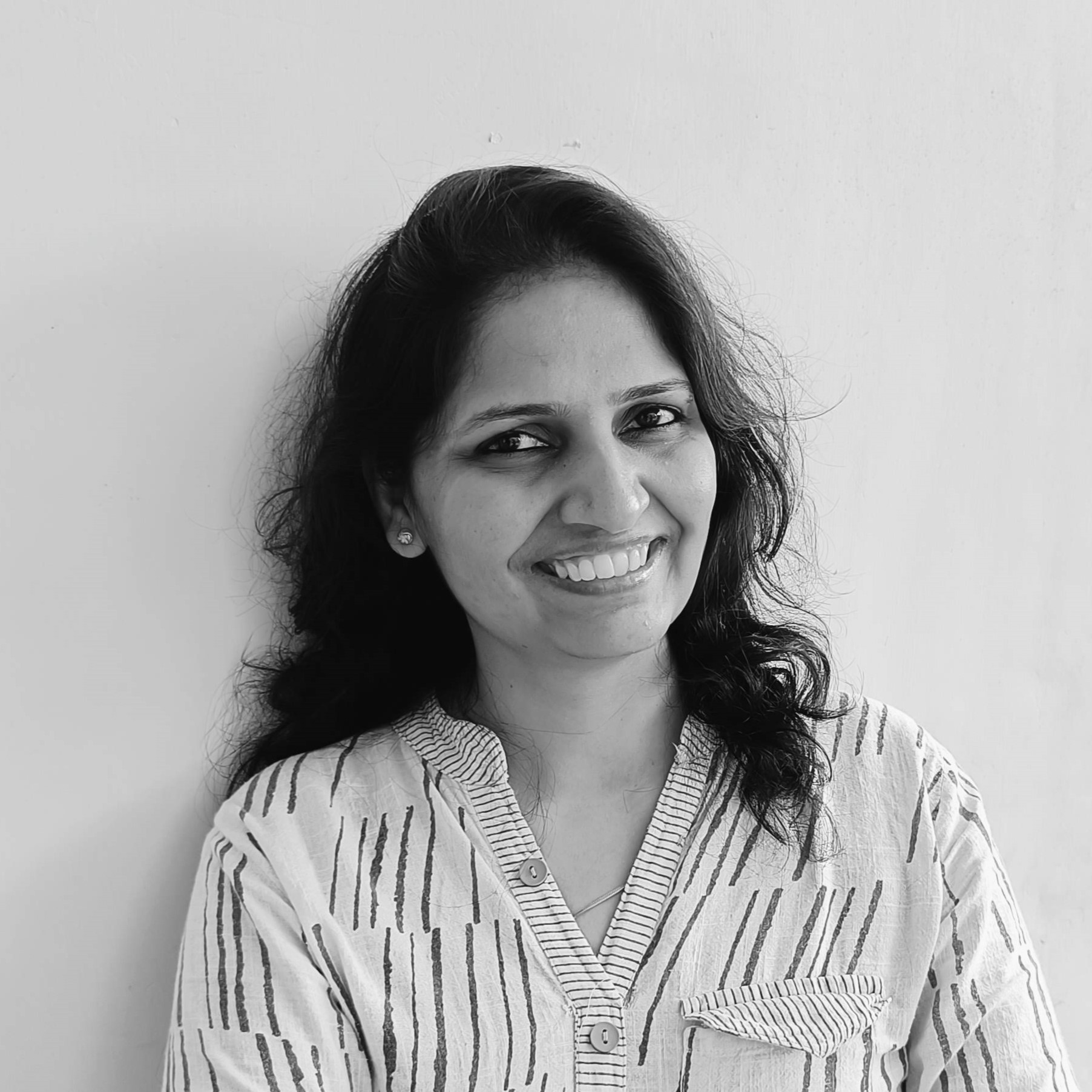
Aditi Chaturvedi
·Founder, Best PM JobsAditi is the founder of Best PM Jobs, helping product managers find their dream roles at top tech companies. With experience in product management and recruiting, she creates resources to help PMs level up their careers.